
Every program leaves a number behind.
SWD optimization, iron-sulphide control, produced-water recycling, scale management, pit remediation. Different systems, different chemistries, different basins — but the work is the same: validate in the lab, prove it in the field, write the numbers down.
All cases.
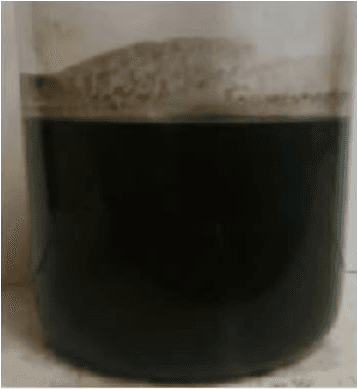
Capacity unlocked.
Throughput grew from 3,500 BBL per day to 16,000 BBL per day after applying an iron-control chemistry program — and the customer gained $250,000 per month in additional revenue through improved oil recovery.
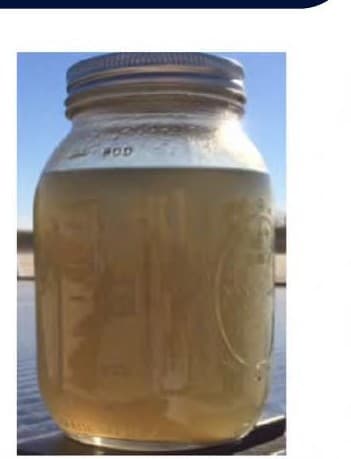
No more hauling.
Reduced tank bottom solids and complete elimination of bottom-solids hauling — a $75,000 per month revenue increase for the customer, alongside more efficient and sustainable operations.
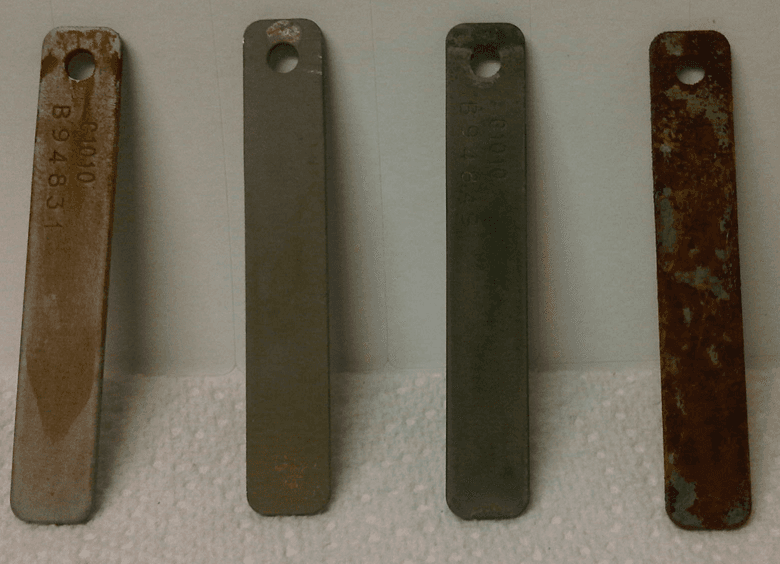
Corrosion held.
Controlled metal coupon immersion testing in fresh water and 180,000 ppm TDS brine — SCL 8054 maintained corrosion rates below 1.2 mpy for up to 52 weeks. Untreated coupons degraded within 35.
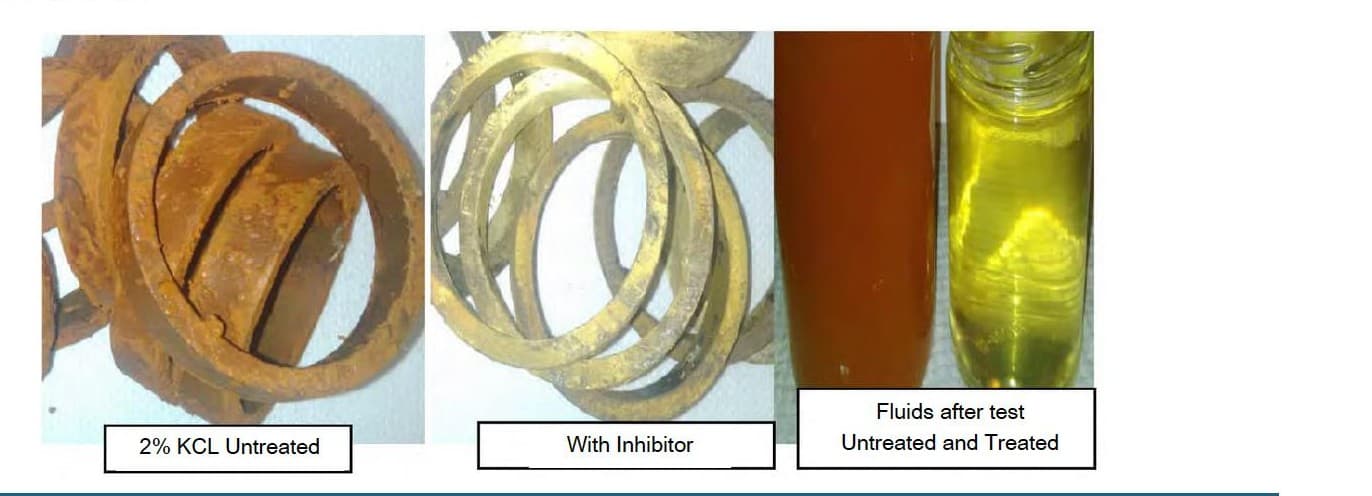
Oxygen, salt, and a coiled string.
Seven-day corrosion-inhibition test under fully oxygenated conditions at 30–50°C in 2% KCl solution. SCL 8054 also proved effective in high-TDS Ca and Na brine drilling fluids, with compatibility across traditional inhibitors.
How we validate.
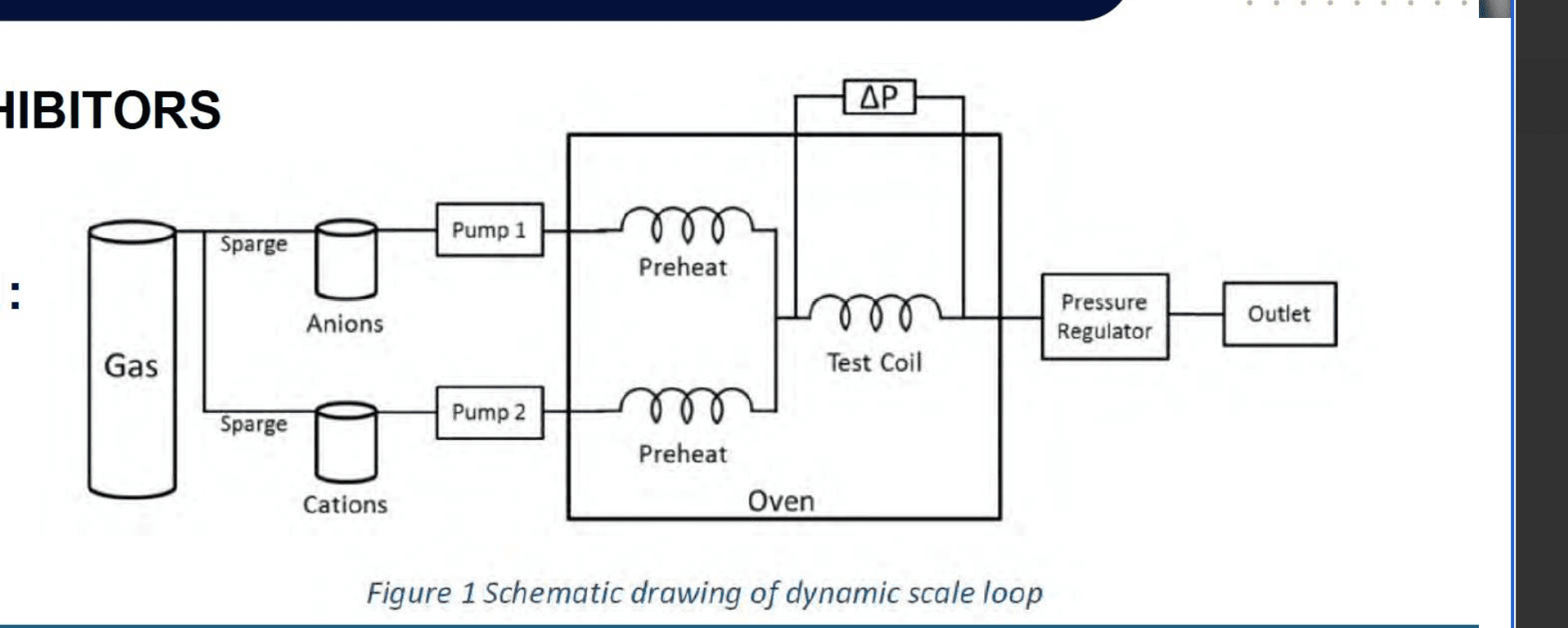
Dynamic Scale Loop (DSL) Testing was conducted to evaluate the performance of our SCL 9027 scale inhibitor under demanding operating conditions, including high temperature, high pressure, and anoxic environments that closely replicate downhole conditions.
1/6 the dose. No staining.
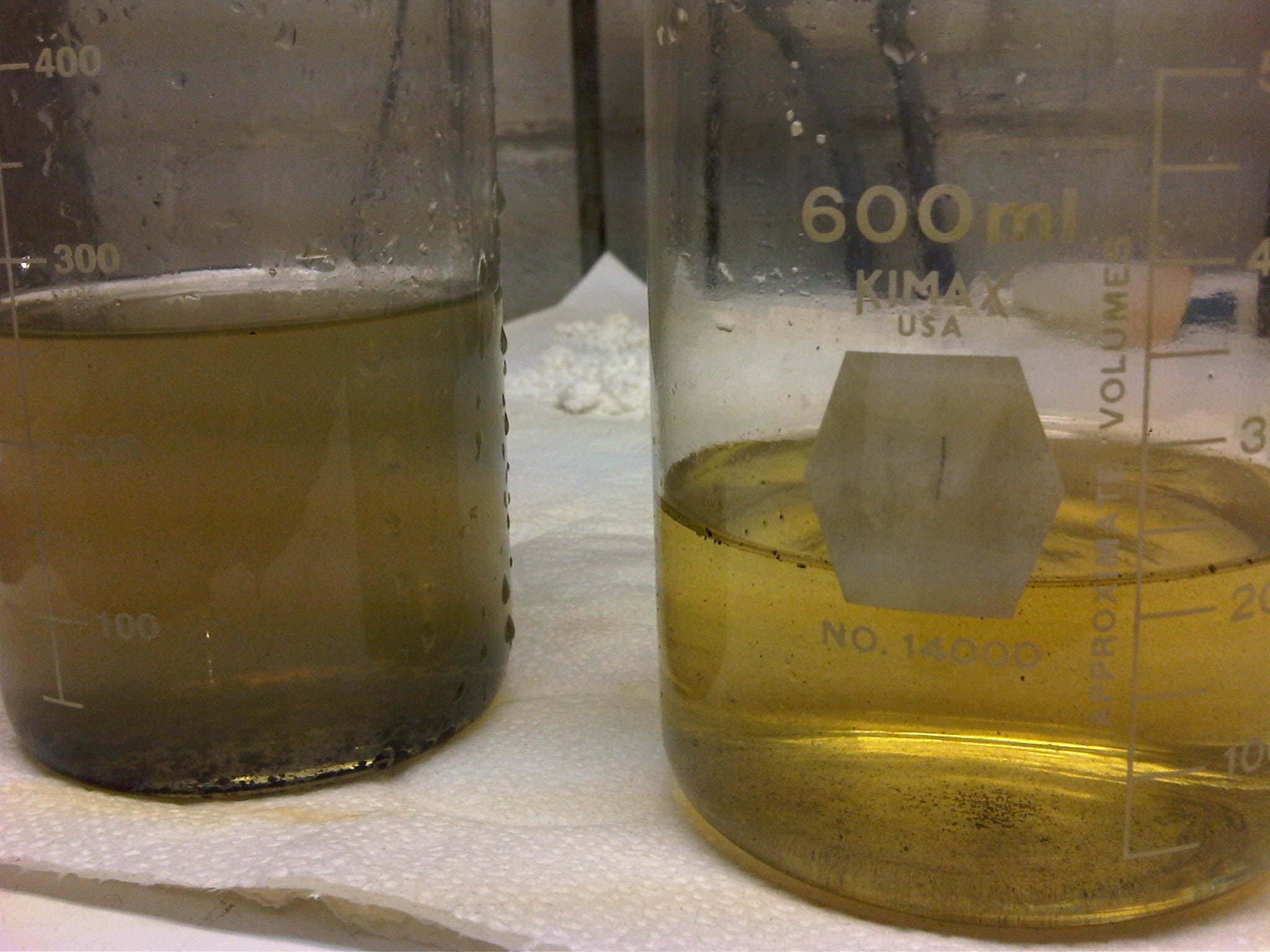
A South LA company maintaining 5,000–10,000 BBL open pits had been using Ferric Chloride, dealing with worker safety, handling concerns, and iron staining. OC 360 performed at 1/6 the dose rate, with no acidic attack or staining.
From 200 ppm iron to under 0.5.
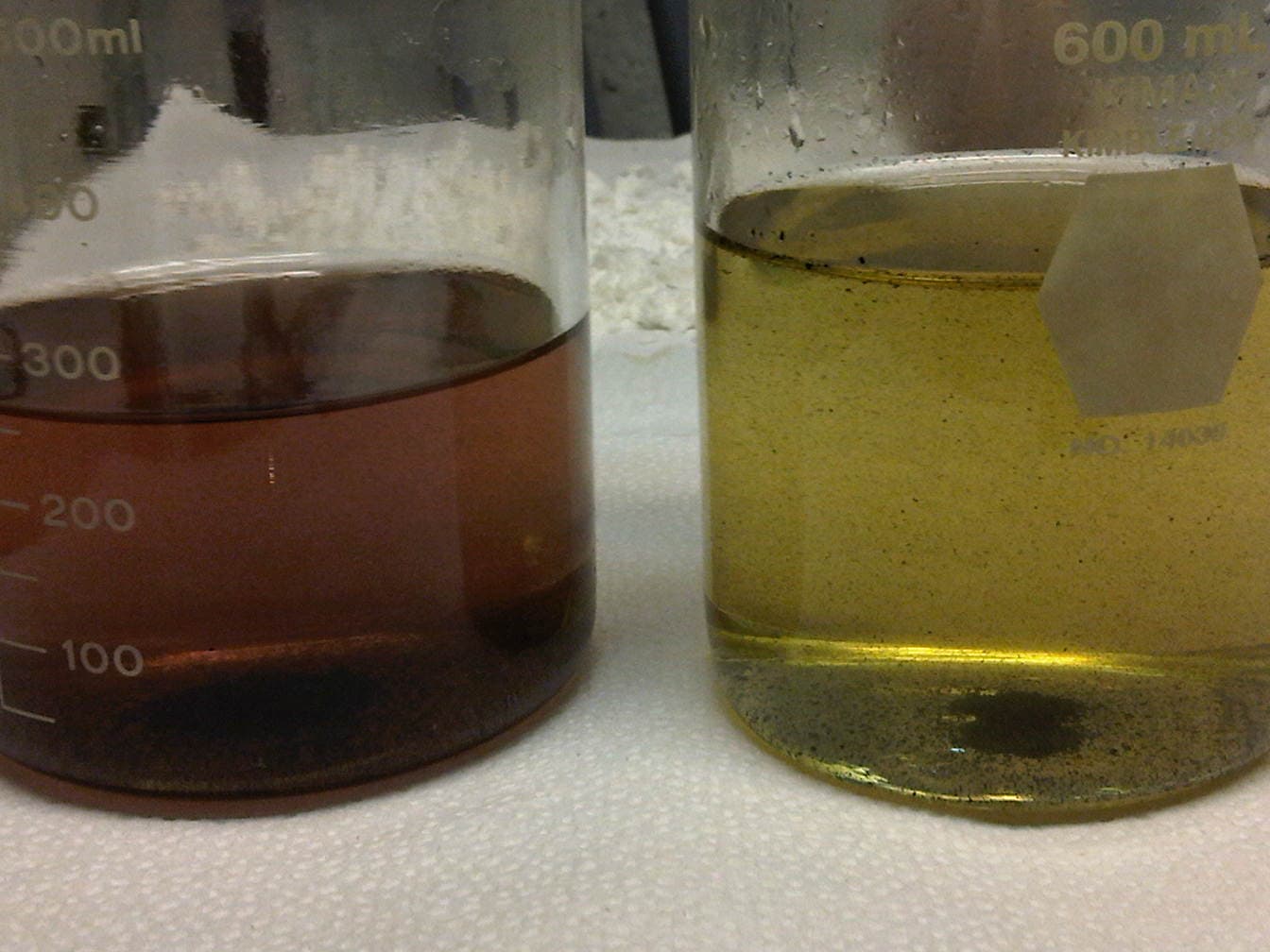
A mid-major Texas oil & gas company sought to recycle produced water from wells and hydraulic fracturing operations, which contained high levels of silica, suspended particulates, and over 200 ppm of iron hydroxide, with TDS ranging from 150,000 to 250,000 ppm.
Less chemistry. More clarity.
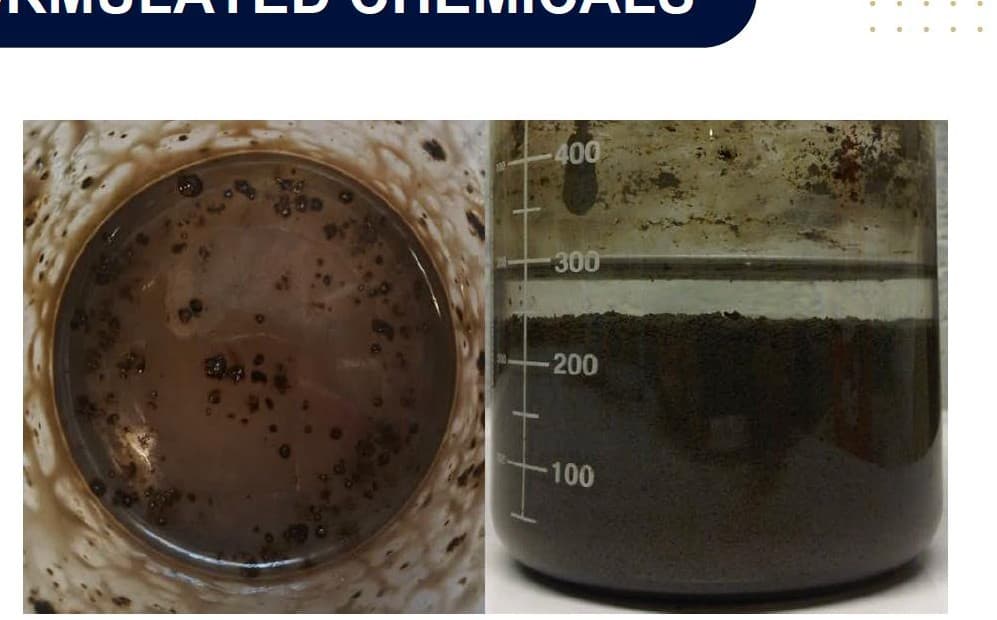
Mining ponds with extremely thick sludge — over 50% solids. Traditional polyacrylamides at doses above 1,000 ppm had limited success. OC 360 at approximately 600 ppm achieved unprecedented water clarity.
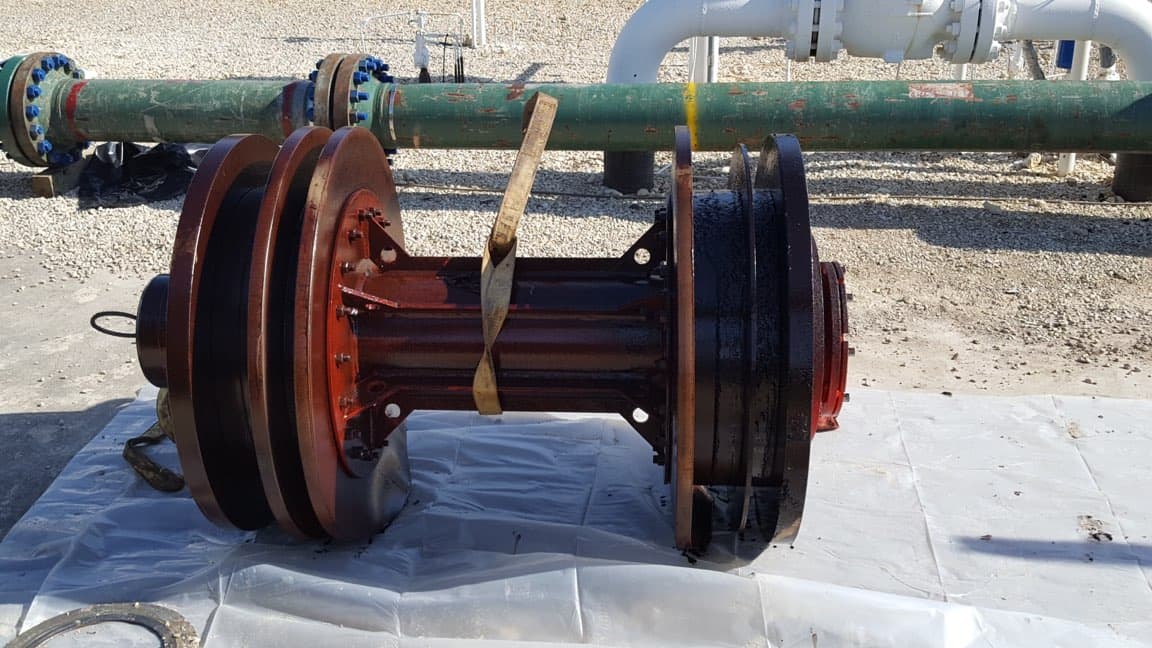
The line that wouldn’t clean.
70 miles of 36″ pipeline choked with iron-sulphide and iron-oxide debris — a competitor’s “clean” failed its ILI run. Shale Chem chemistry broke the matrix into soft, flowable remnants, two cleaning runs restored the line, and the operator’s profit rose from $0.90 to $1.50 per MCF.
Capacity unlocked.
Throughput grew from 3,500 BBL per day to 16,000 BBL per day after applying an iron-control chemistry program — and the customer gained $250,000 per month in additional revenue through improved oil recovery.
No more hauling.
Reduced tank bottom solids and complete elimination of bottom-solids hauling — a $75,000 per month revenue increase for the customer, alongside more efficient and sustainable operations.
Corrosion held.
Controlled metal coupon immersion testing in fresh water and 180,000 ppm TDS brine — SCL 8054 maintained corrosion rates below 1.2 mpy for up to 52 weeks. Untreated coupons degraded within 35.
Oxygen, salt, and a coiled string.
Seven-day corrosion-inhibition test under fully oxygenated conditions at 30–50°C in 2% KCl solution. SCL 8054 also proved effective in high-TDS Ca and Na brine drilling fluids, with compatibility across traditional inhibitors.
How we validate.
Dynamic Scale Loop (DSL) Testing was conducted to evaluate the performance of our SCL 9027 scale inhibitor under demanding operating conditions, including high temperature, high pressure, and anoxic environments that closely replicate downhole conditions.
1/6 the dose. No staining.
A South LA company maintaining 5,000–10,000 BBL open pits had been using Ferric Chloride, dealing with worker safety, handling concerns, and iron staining. OC 360 performed at 1/6 the dose rate, with no acidic attack or staining.
From 200 ppm iron to under 0.5.
A mid-major Texas oil & gas company sought to recycle produced water from wells and hydraulic fracturing operations, which contained high levels of silica, suspended particulates, and over 200 ppm of iron hydroxide, with TDS ranging from 150,000 to 250,000 ppm.
Less chemistry. More clarity.
Mining ponds with extremely thick sludge — over 50% solids. Traditional polyacrylamides at doses above 1,000 ppm had limited success. OC 360 at approximately 600 ppm achieved unprecedented water clarity.
The line that wouldn’t clean.
70 miles of 36″ pipeline choked with iron-sulphide and iron-oxide debris — a competitor’s “clean” failed its ILI run. Shale Chem chemistry broke the matrix into soft, flowable remnants, two cleaning runs restored the line, and the operator’s profit rose from $0.90 to $1.50 per MCF.