The line that wouldn’t clean.
70 miles of 36″ pipeline choked with iron-sulphide and iron-oxide debris — a competitor’s “clean” failed its ILI run. Shale Chem chemistry broke the matrix into soft, flowable remnants, two cleaning runs restored the line, and the operator’s profit rose from $0.90 to $1.50 per MCF.
- Chemistry
- Shale Chem iron-sulphide pipeline cleaner
- Application
- Pipeline cleaning
- Location
- Anonymized
- Headline result
- +$540K · added profit per day
- Problem
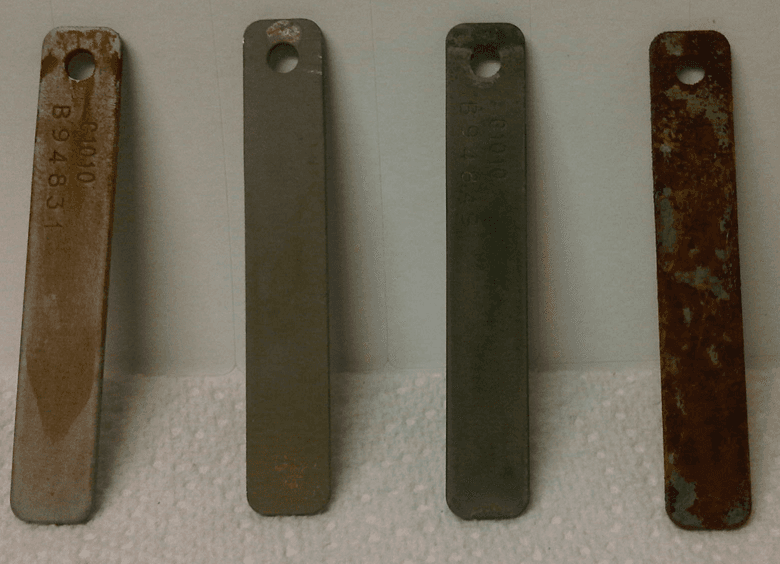
- A 70-mile section of 36″ pipeline was severely restricted by an iron-sulphide / iron-oxide debris matrix; a competitor’s cleaning attempt left debris behind and the line failed its in-line inspection (ILI) run.
- Previous approach
- A competitor “cleaned” the line without success — the debris matrix survived and the ILI run could not complete. (A parallel account puts prior unsuccessful remediation spend at roughly $4MM.)
- Shale Chem approach
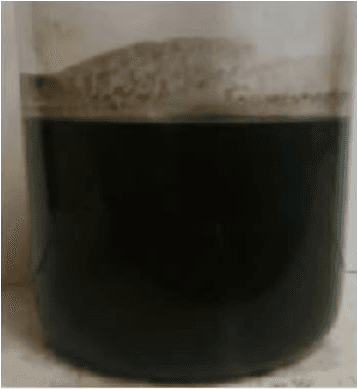
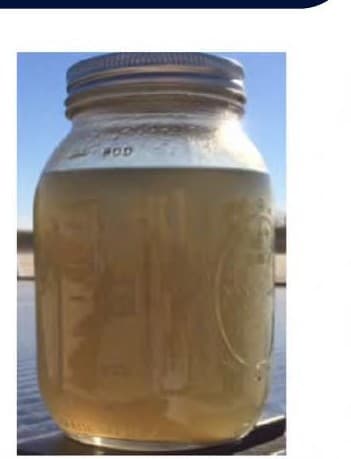
- Deployed Shale Chem chemistry to chemically break down the debris matrix and dissolve the iron-sulphide and iron-oxide solids so they could be pigged out as soft, flowable remnants.
- Result
- Two cleaning runs cleared the line — a gauge pig came back unscathed and the following ILI run reached the receiver with no debris. Throughput rose to 900 MMCF.
- Operational value
- Operator profit climbed from $0.90 to $1.50 per MCF — about $540,000 per day in added profit. They are evaluating permanent injection points to keep the line clean with Shale Chem chemistry.
A 70-mile run of 36-inch pipeline was severely restricted by a hardened debris matrix of iron sulphide and iron oxide. A competitor had already attempted to clean the line; the attempt failed, and a subsequent in-line inspection (ILI) run could not complete because of the debris left behind.
Shale Chem was called in to provide a product that could break down the debris matrix and clean the operator’s line successfully. Shale Chem chemistry broke the matrix and dissolved the iron-sulphide and iron-oxide debris into soft, flowable remnants that were pigged out of the line.
Operating conditions
- Pipeline length
- 70 miles
- Pipeline size
- 36″ diameter
- Primary fouling species
- Iron sulphide (FeS) + iron oxide
- Prior mitigation
- Competitor cleaning — failed ILI run
- Cleaning runs
- 2 (gauge pig returned unscathed)
Result
- Shale Chem chemistry broke the debris matrix and dissolved iron-sulphide and iron-oxide solids into soft, flowable remnants.
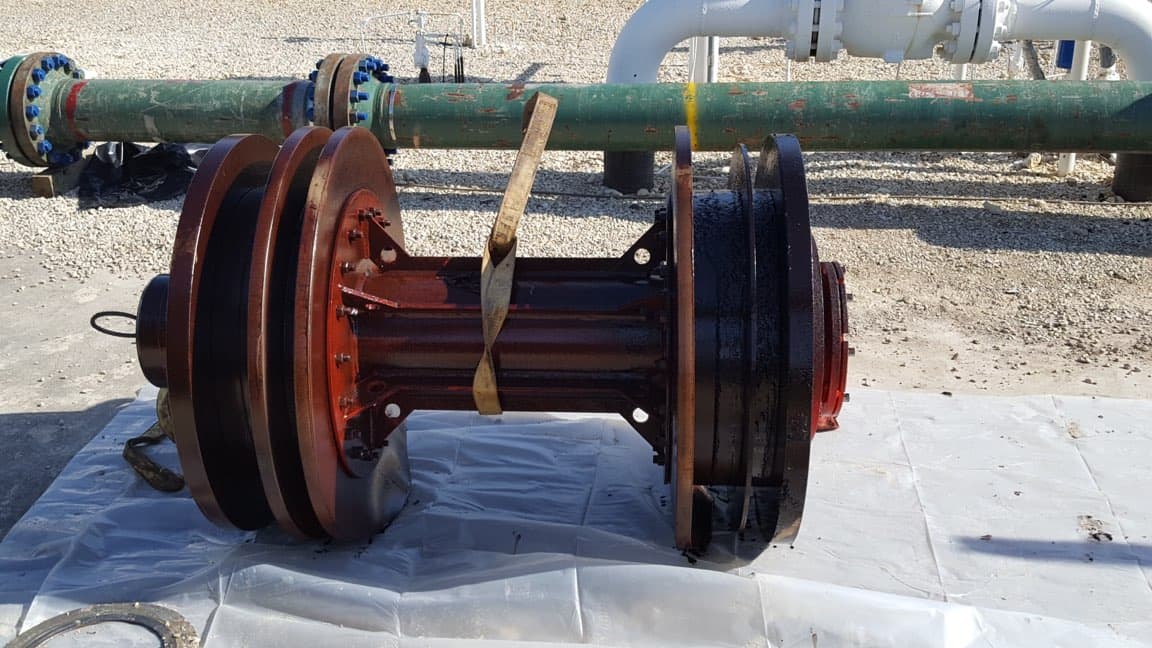
- A gauge pig following the second cleaning run came back unscathed; the next ILI run reached the receiver with no debris.
- Pipeline throughput increased to 900 MMCF.
- Operator profit rose from $0.90 to $1.50 per MCF — roughly $540,000 per day in additional profit.
- The operator is evaluating permanent injection points along the pipeline to prevent future debris buildup with Shale Chem chemistry.
Hardened FeS / iron-oxide debris turned soft and flowable.
Clean ILI run after a competitor’s clean had failed.
Line throughput restored to 900 MMCF.
Profit per MCF rose from $0.90 to $1.50.
Frequently asked
- What was fouling the pipeline?
- A hardened debris matrix of iron sulphide and iron oxide was restricting flow across a 70-mile section of 36-inch pipeline.
- Why had previous cleaning failed?
- A competitor’s cleaning attempt left the debris matrix largely intact, and the line failed its subsequent in-line inspection (ILI) run.
- How did Shale Chem clean the line?
- Shale Chem chemistry chemically broke the debris matrix and dissolved the iron-sulphide and iron-oxide solids into soft, flowable remnants that were pigged out over two cleaning runs.
- What was the economic impact?
- Throughput was restored to 900 MMCF and the operator’s profit rose from $0.90 to $1.50 per MCF — about $540,000 per day in additional profit.